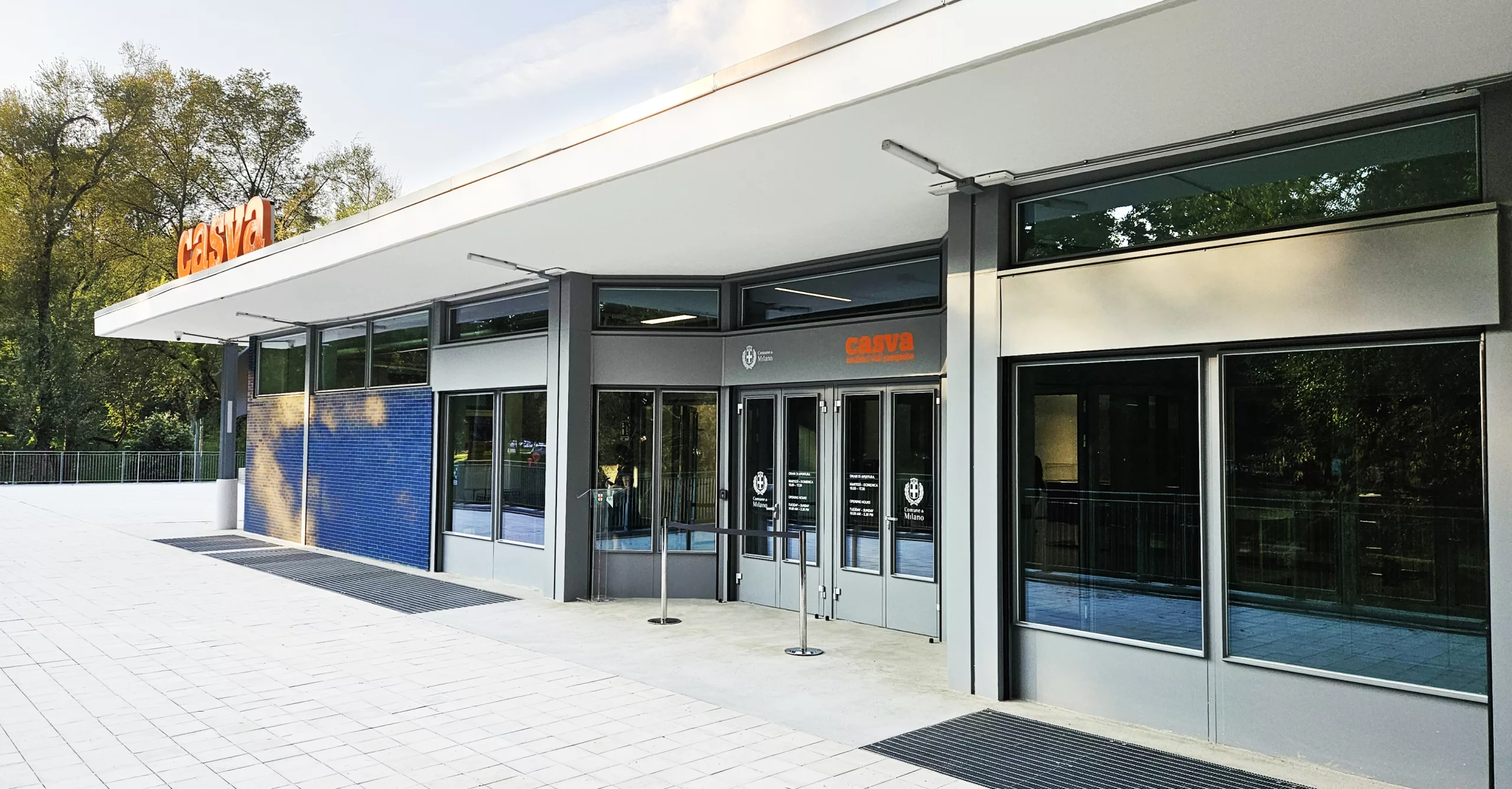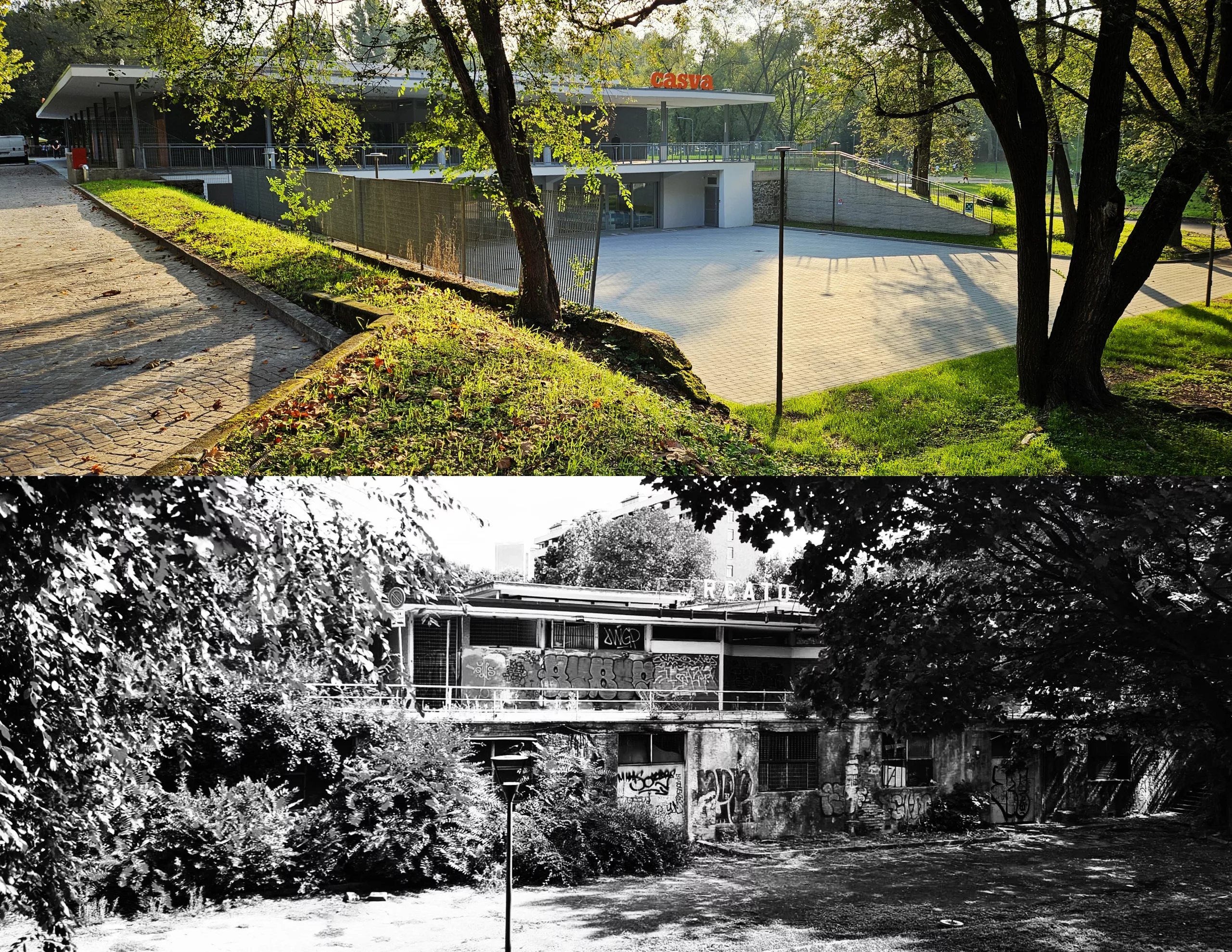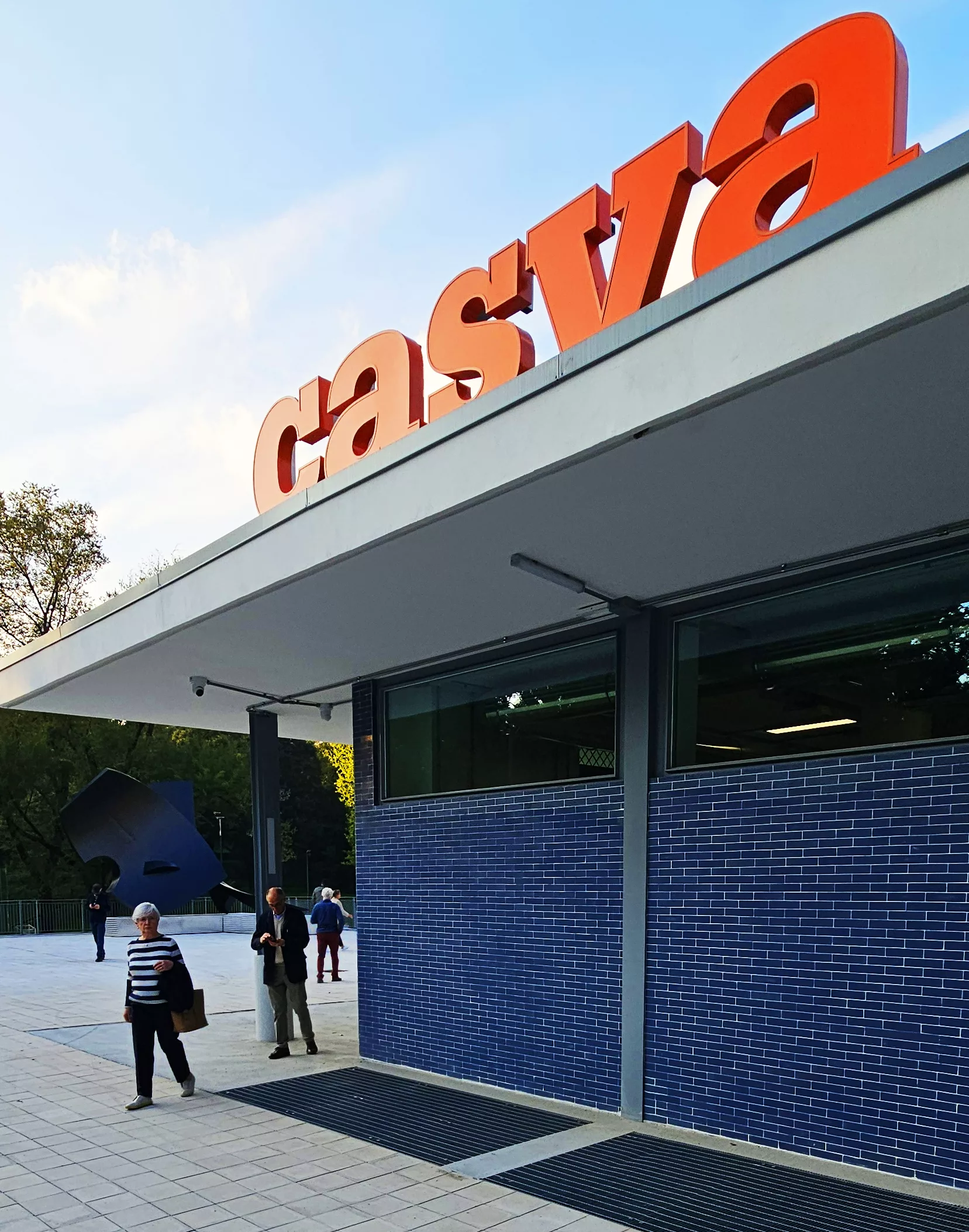
The redevelopment project of the former municipal market in the QT8 district in Milan interprets reuse as an opportunity to reactivate an existing urban infrastructure, restoring it to a central role within the city’s and the neighborhood’s cultural system. Set within the landscape of Monte Stella, the building regains its public vocation by being reconfigured as the new headquarters of CASVA – the Center for Advanced Studies on Visual Arts, dedicated to the conservation, research, and dissemination of architectural and design heritage.
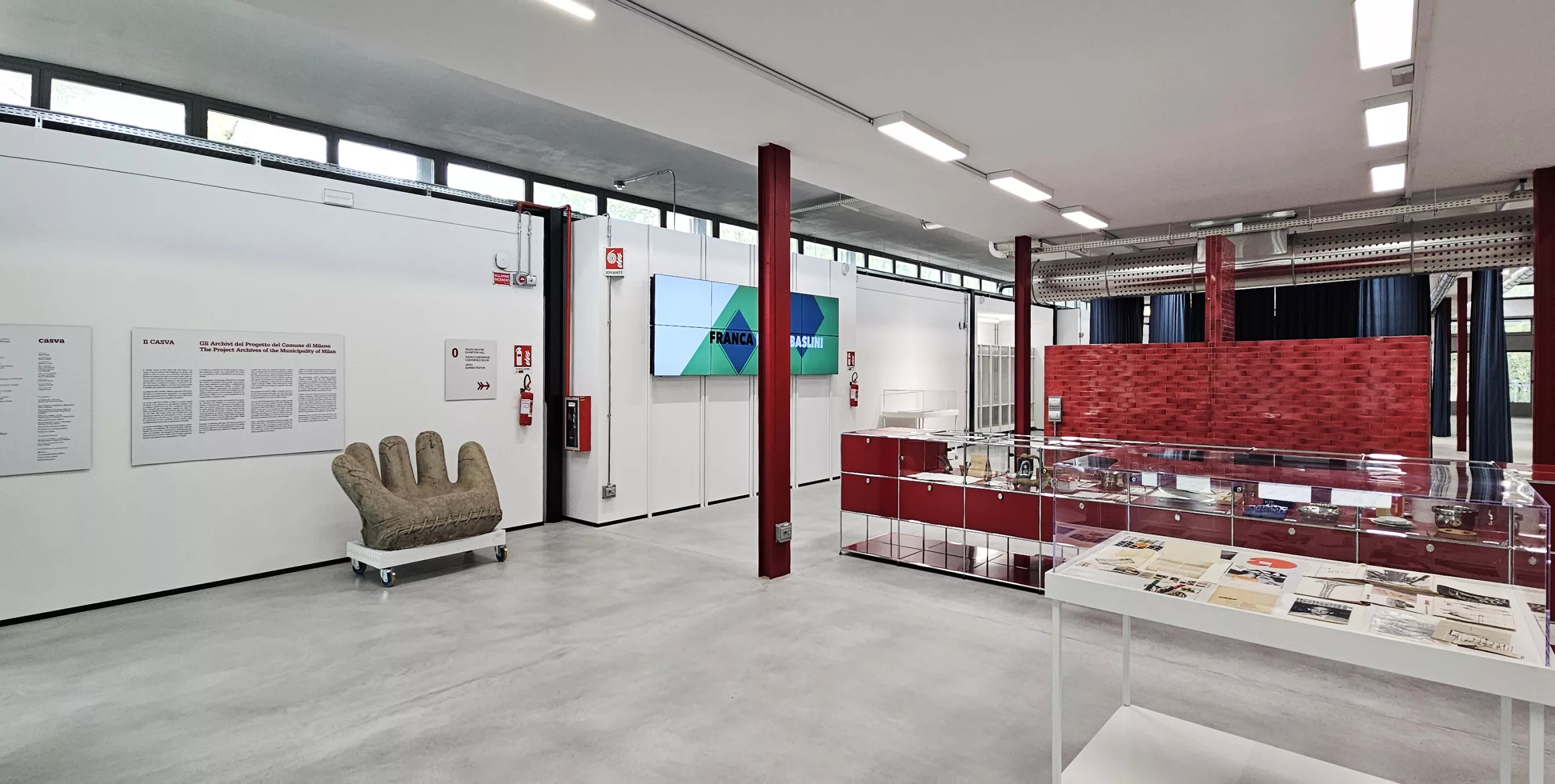
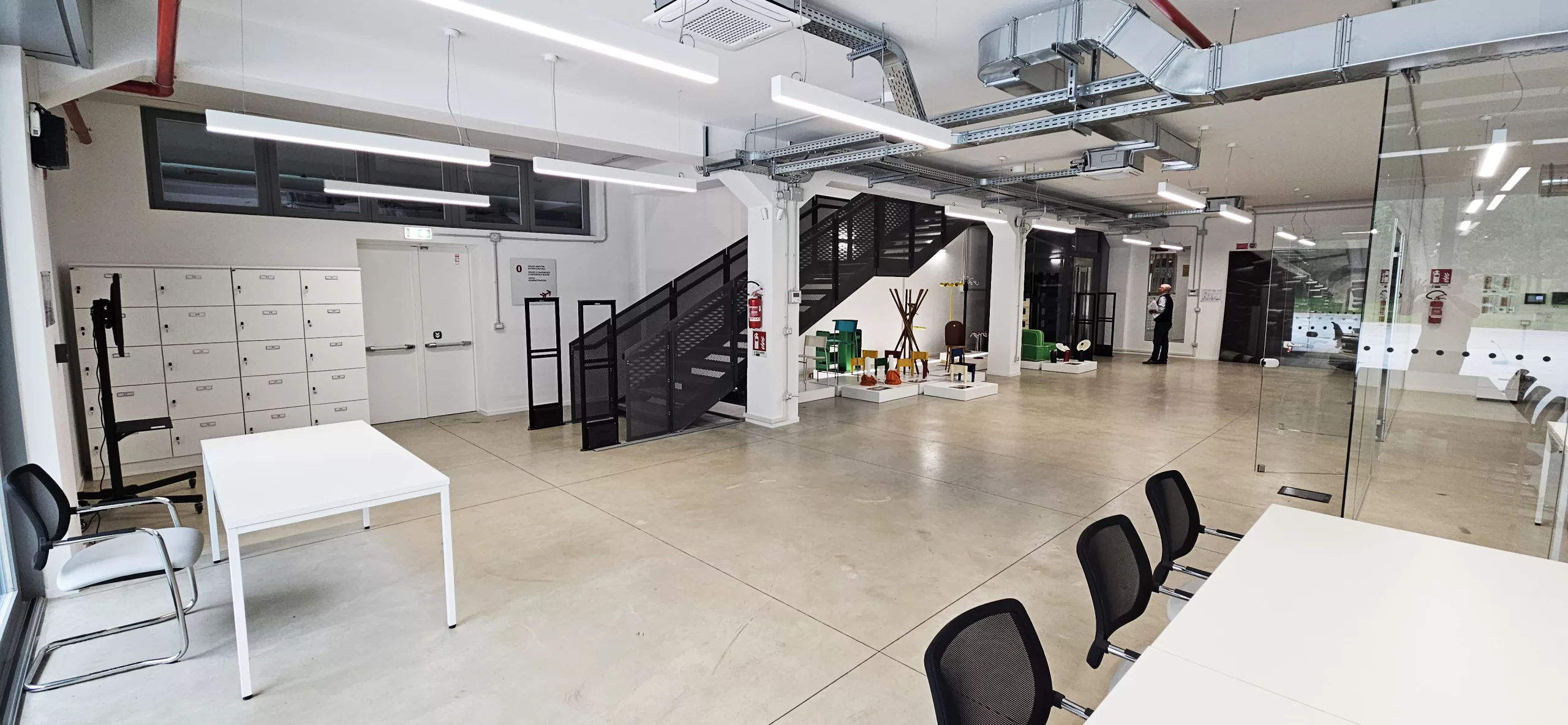
The intervention is based on a principle of active conservation: the original structure of the market—a linear organism organized according to a clear modularity—is entirely preserved and adopted as the matrix of the project. The continuous central space and the sequence of lateral modules are maintained and reinterpreted, making the historical spatial layout and its functional logic clearly legible.
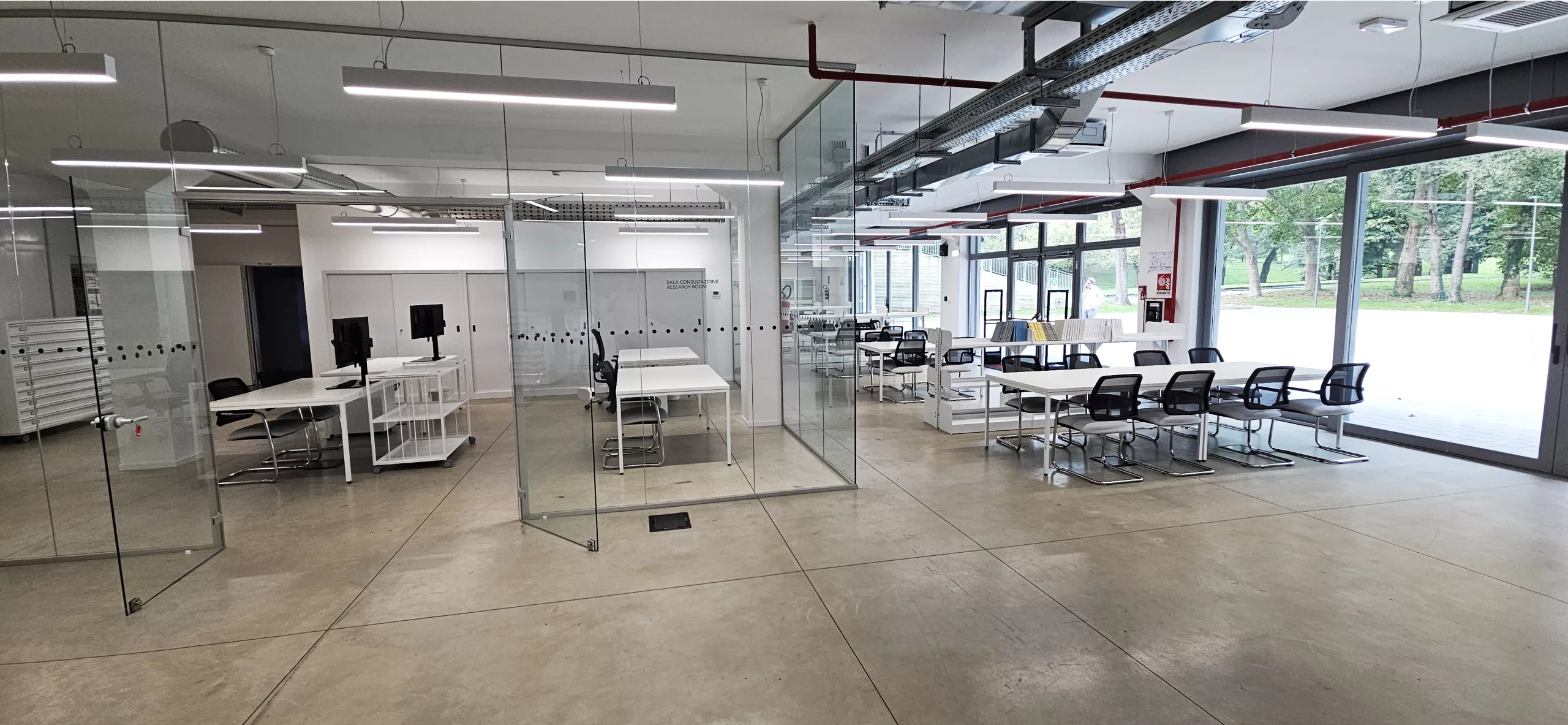
Within this framework, new autonomous volumes are inserted, conceived as independent “boxes” that house the various functions of CASVA. Their lightweight and deliberately contemporary character establishes a relationship by contrast with the existing structure, avoiding mimicry and making the temporal layering of the intervention explicit. The central space is thus configured as an open area dedicated to exhibitions, events, and public activities.
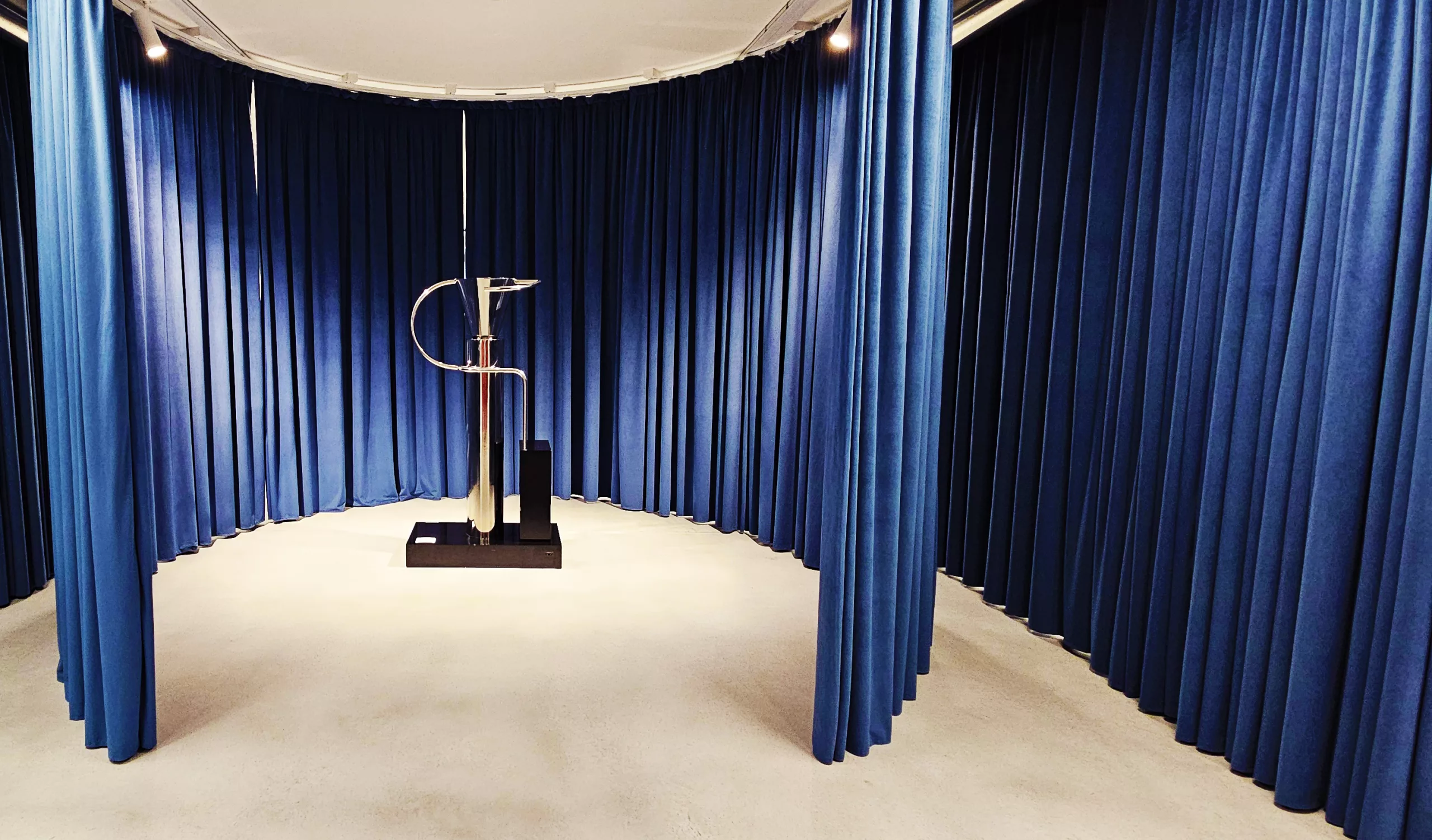
The flexibility of the installations, as demonstrated in the circular space screened by curtains, highlights the project’s ability to accommodate temporary configurations, adapting to different modes of use and ensuring continuity between research, exhibition, and dissemination.
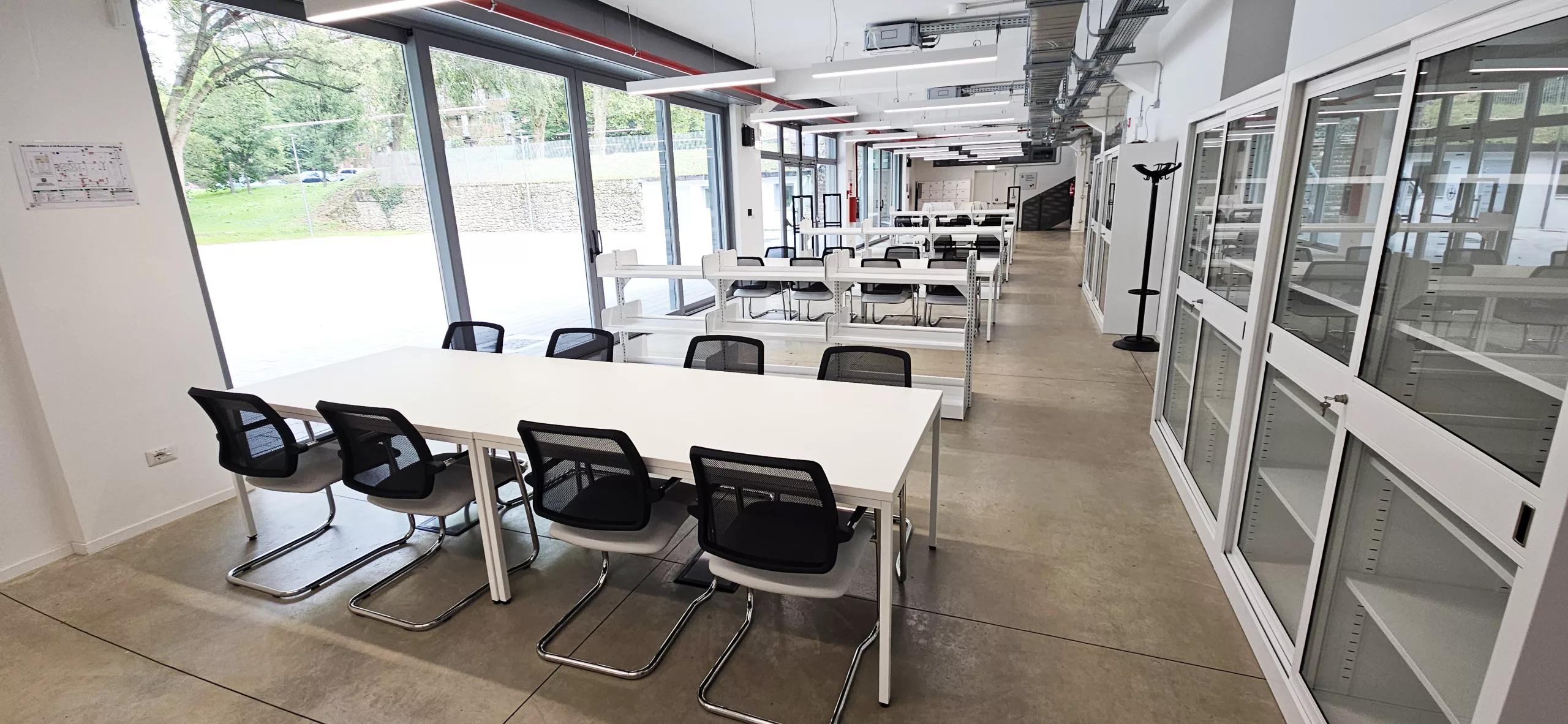
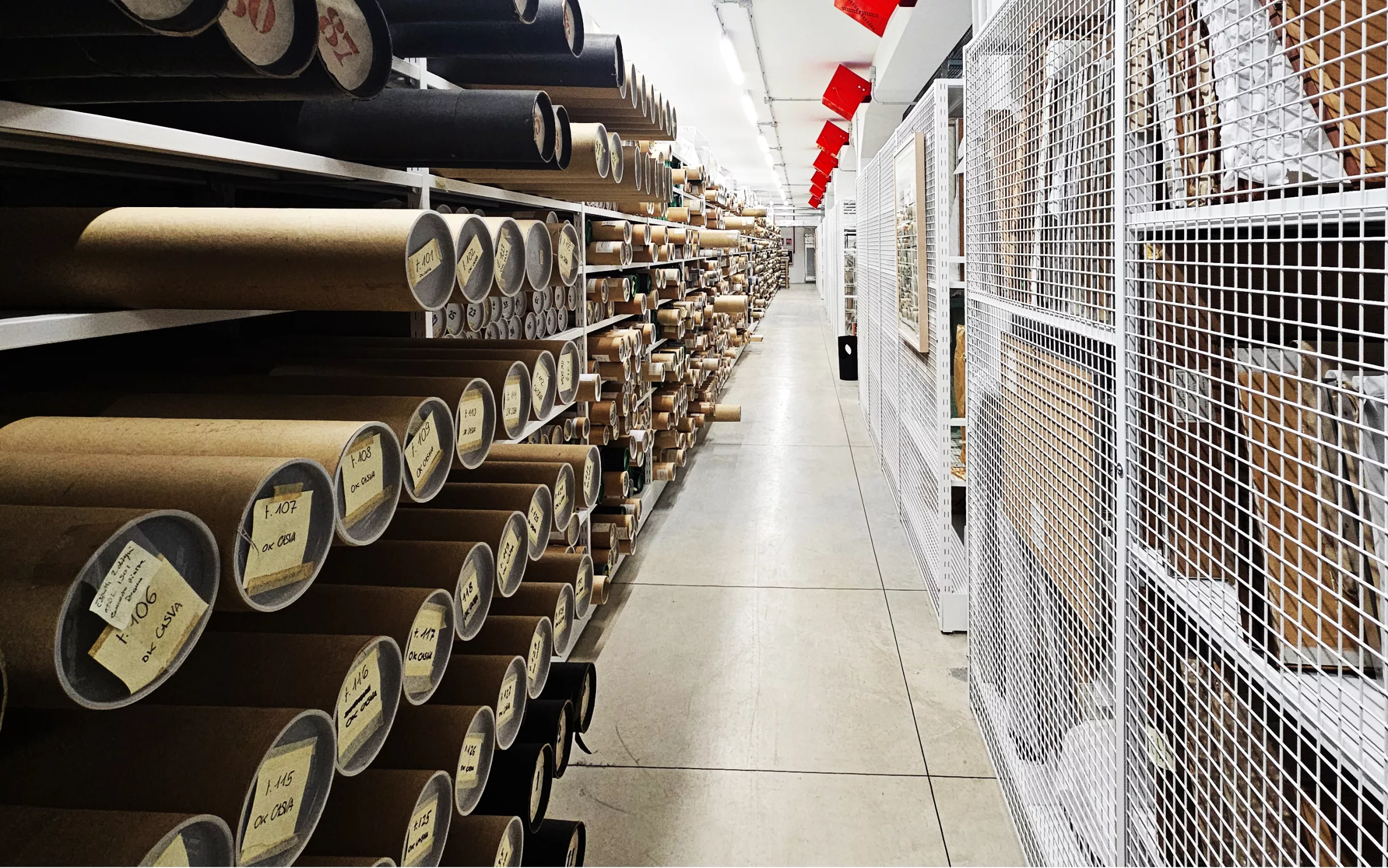
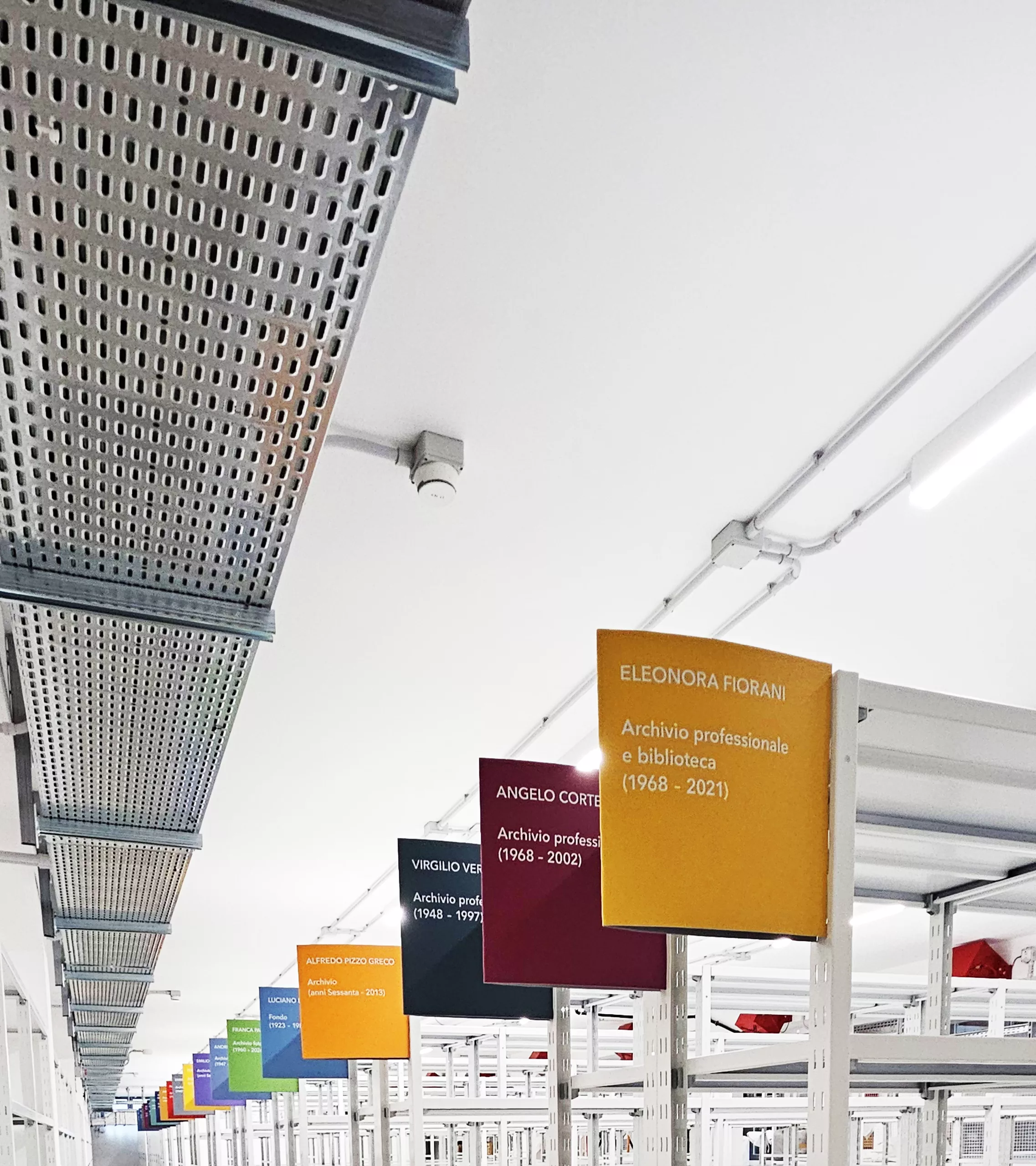
The ground floor accommodates the public-facing functions—entrance, reception, auditorium, and services—while the semi-basement level houses the archives, laboratories, and consultation spaces, redefining the former storage use into a complex system for the conservation and access to documentary heritage. The new organization of the archives, characterized by clear circulation paths and specialized storage systems, highlights the central role of conservation and research activities, placing documentary material at the core of the spatial experience.
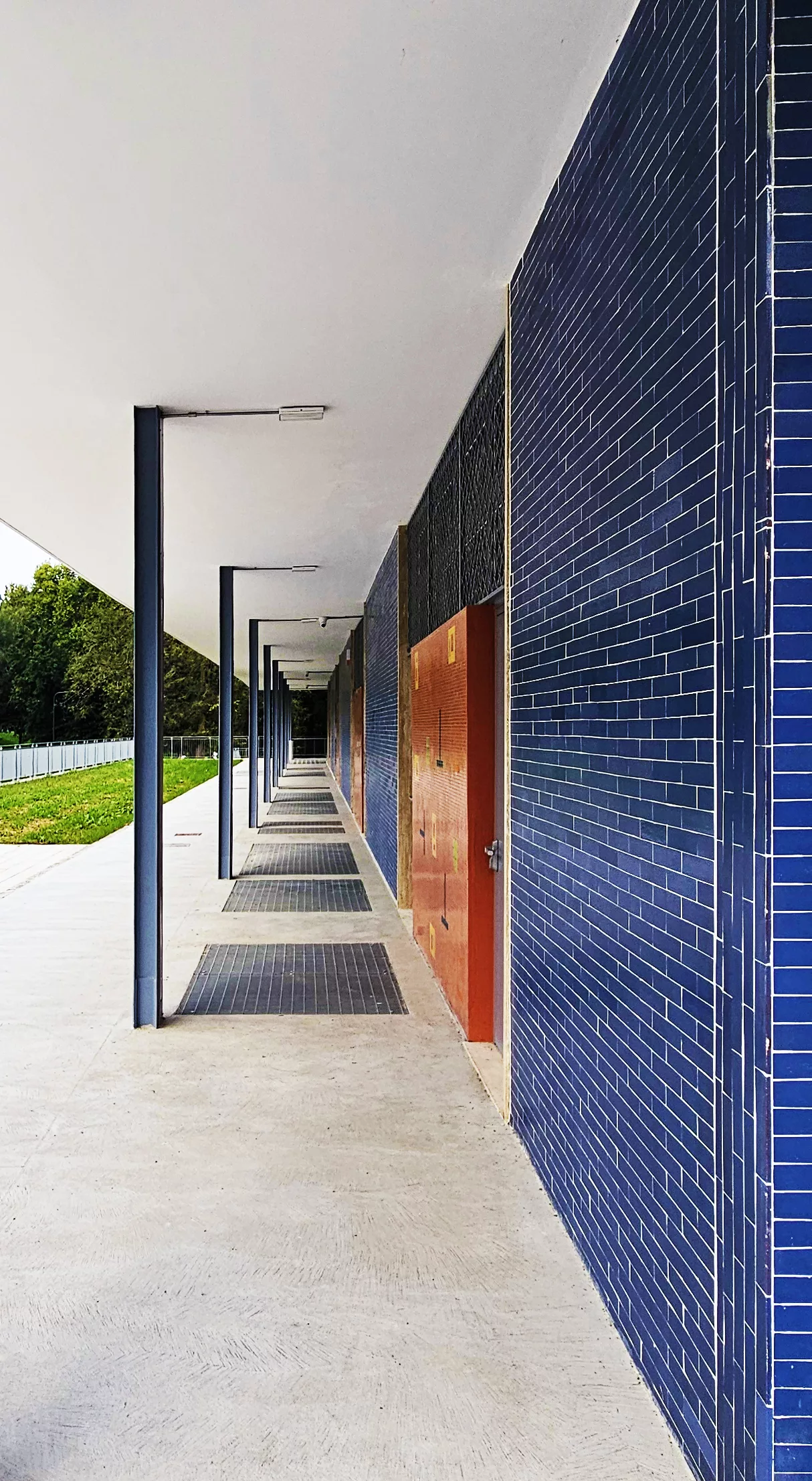
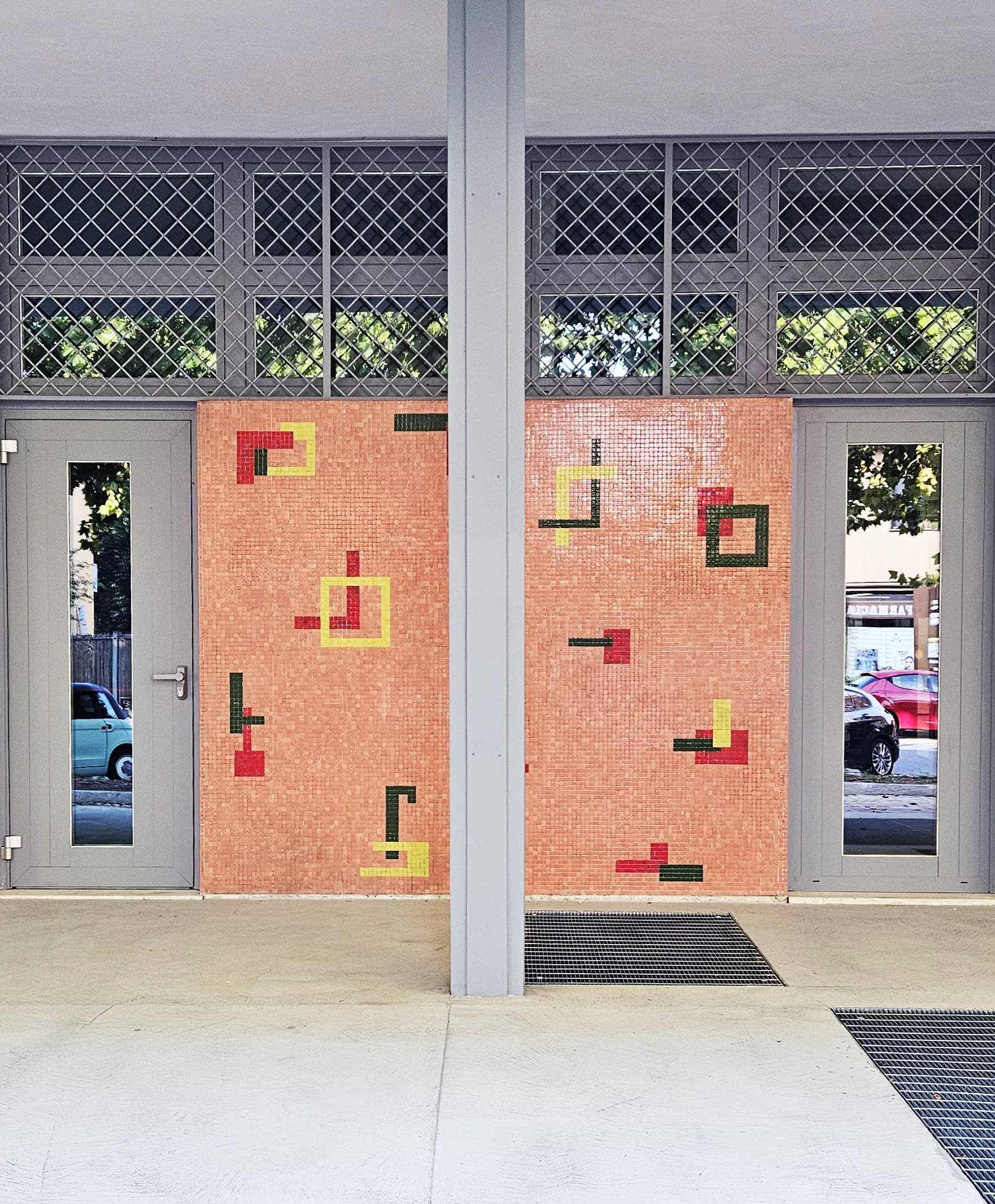
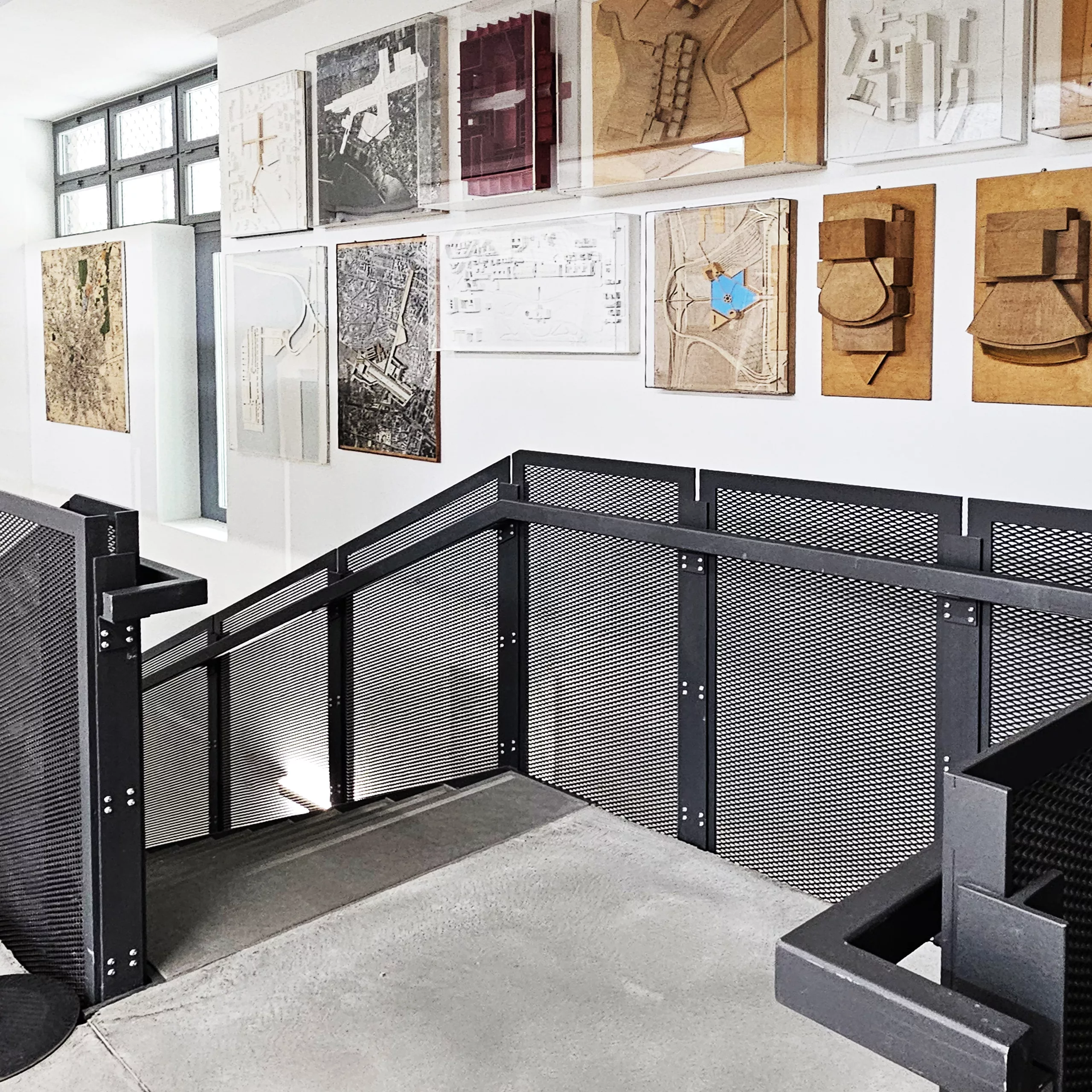
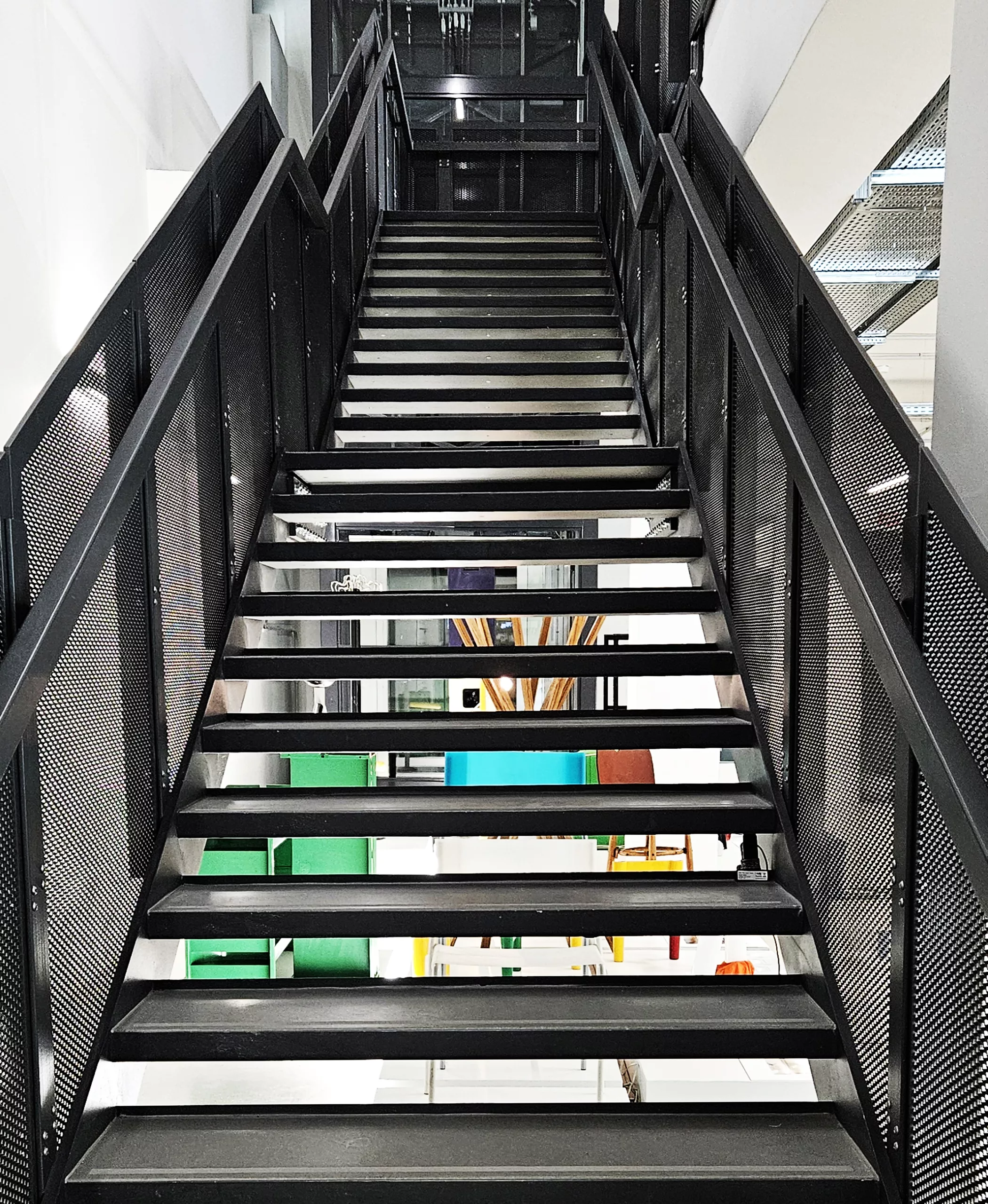
Particular attention is given to the restoration of the building’s identity-defining elements, especially the ceramic tile cladding and the florist’s structure, which are preserved and integrated into the new functional layout. Alongside these, contemporary interventions—metal staircases, lightweight partitions, and glazed surfaces—introduce a recognizable construction language based on dry systems and on a clear distinction between new and existing elements.
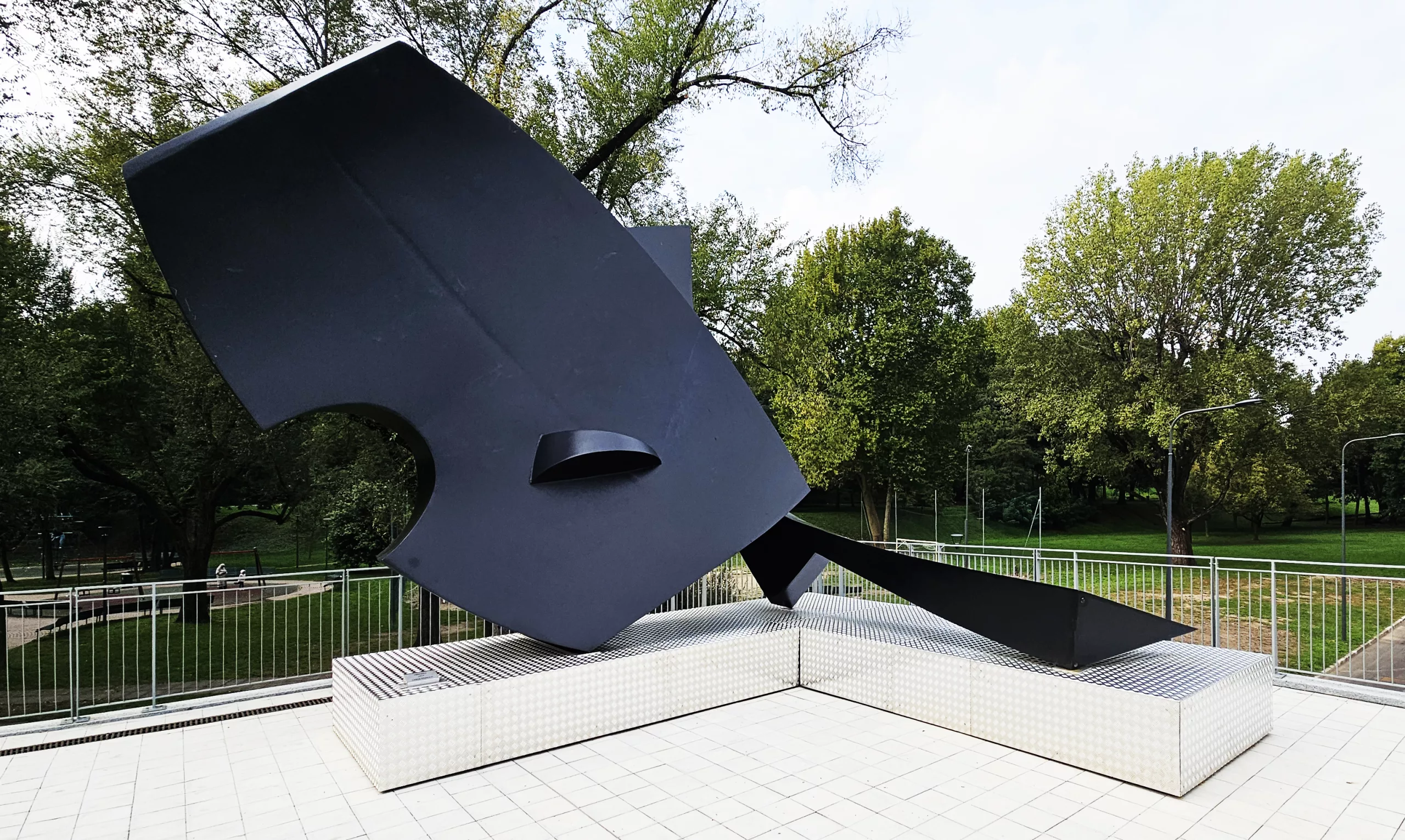
The project extends beyond the building footprint, redefining the external spaces as a system of relationships between the building, the neighborhood, and the park. The continuous portico and the open areas act as mediating elements between interior and exterior, strengthening the public dimension of the intervention and its integration into the urban landscape. In this balance between permanence and transformation, CASVA is conceived as a spatial system capable of combining memory and contemporaneity, returning an existing building to the city and redefining its role as an open place for the production, conservation, and transmission of design culture.
Client:
MM s.p.a.
Region:
Lombardia
Location:
Milano