Medieval Village of Postignano
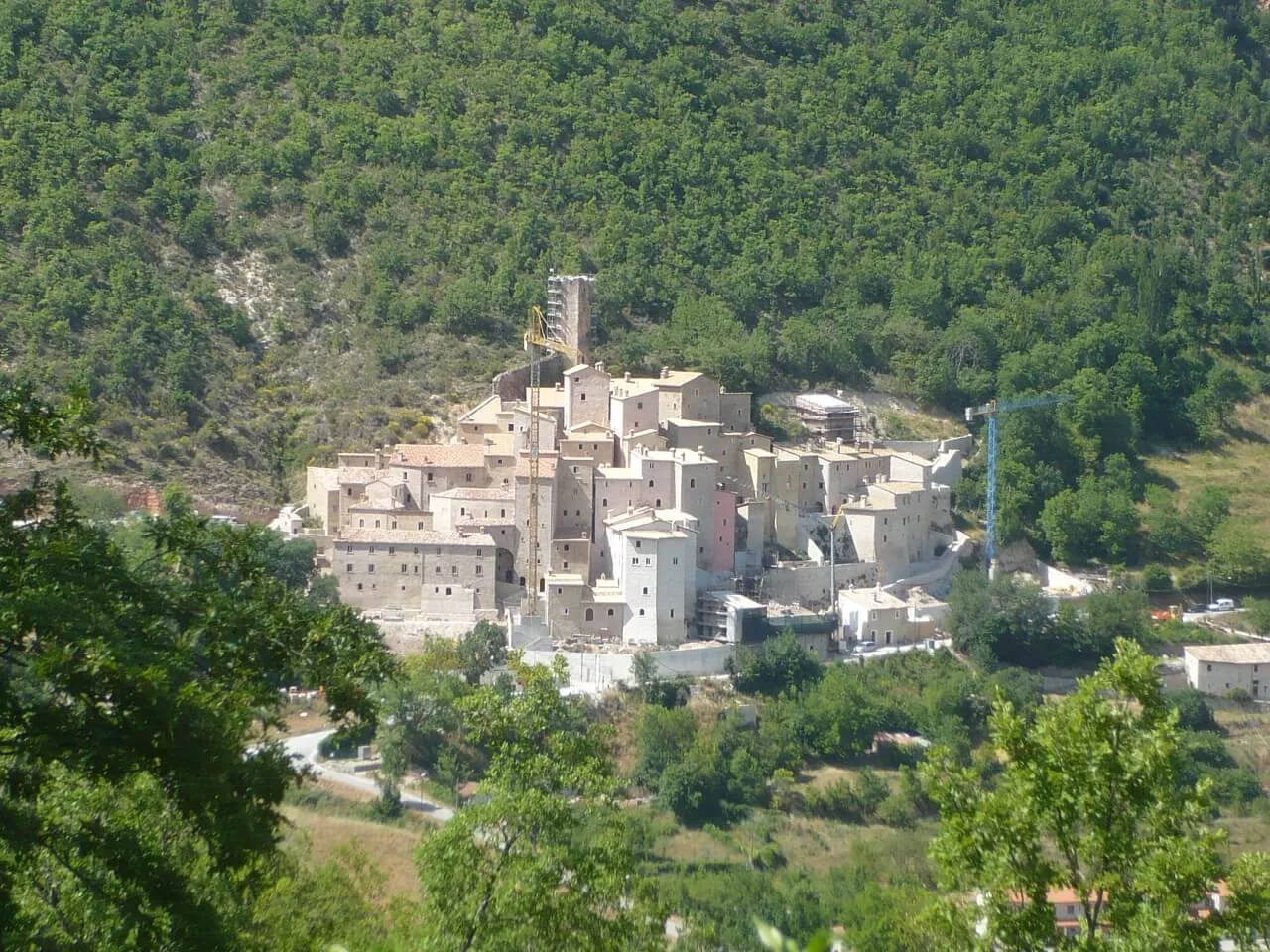
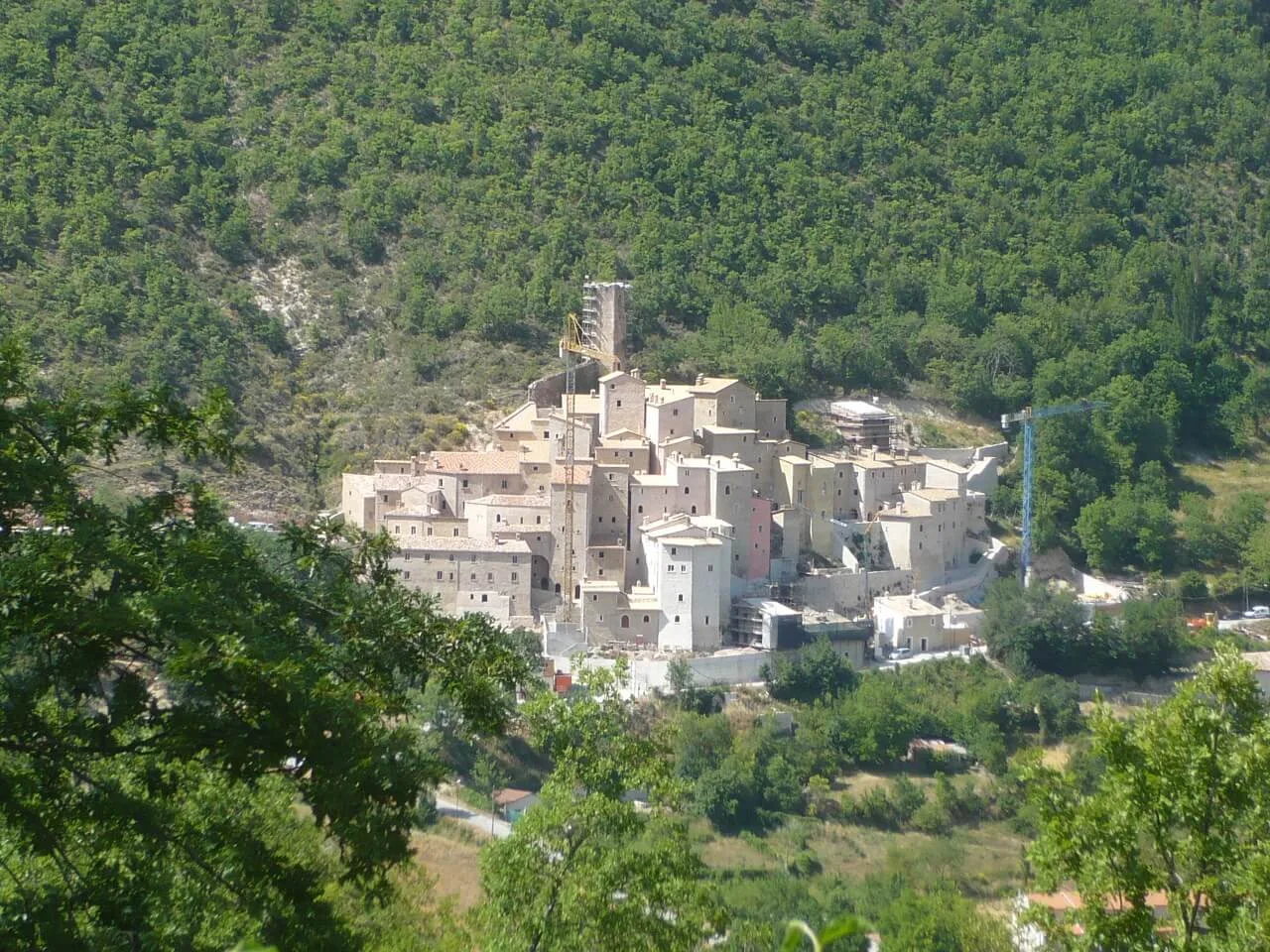
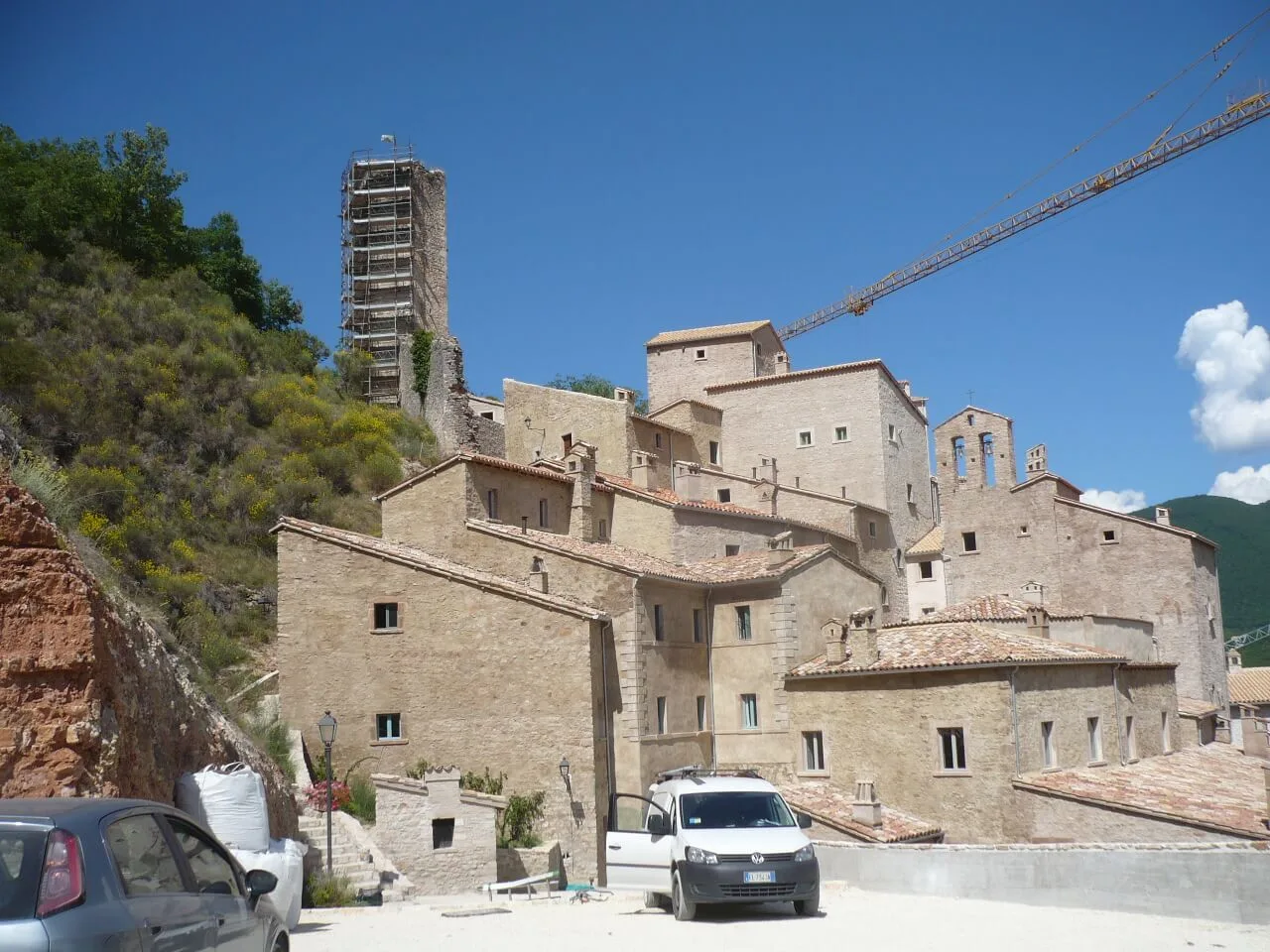
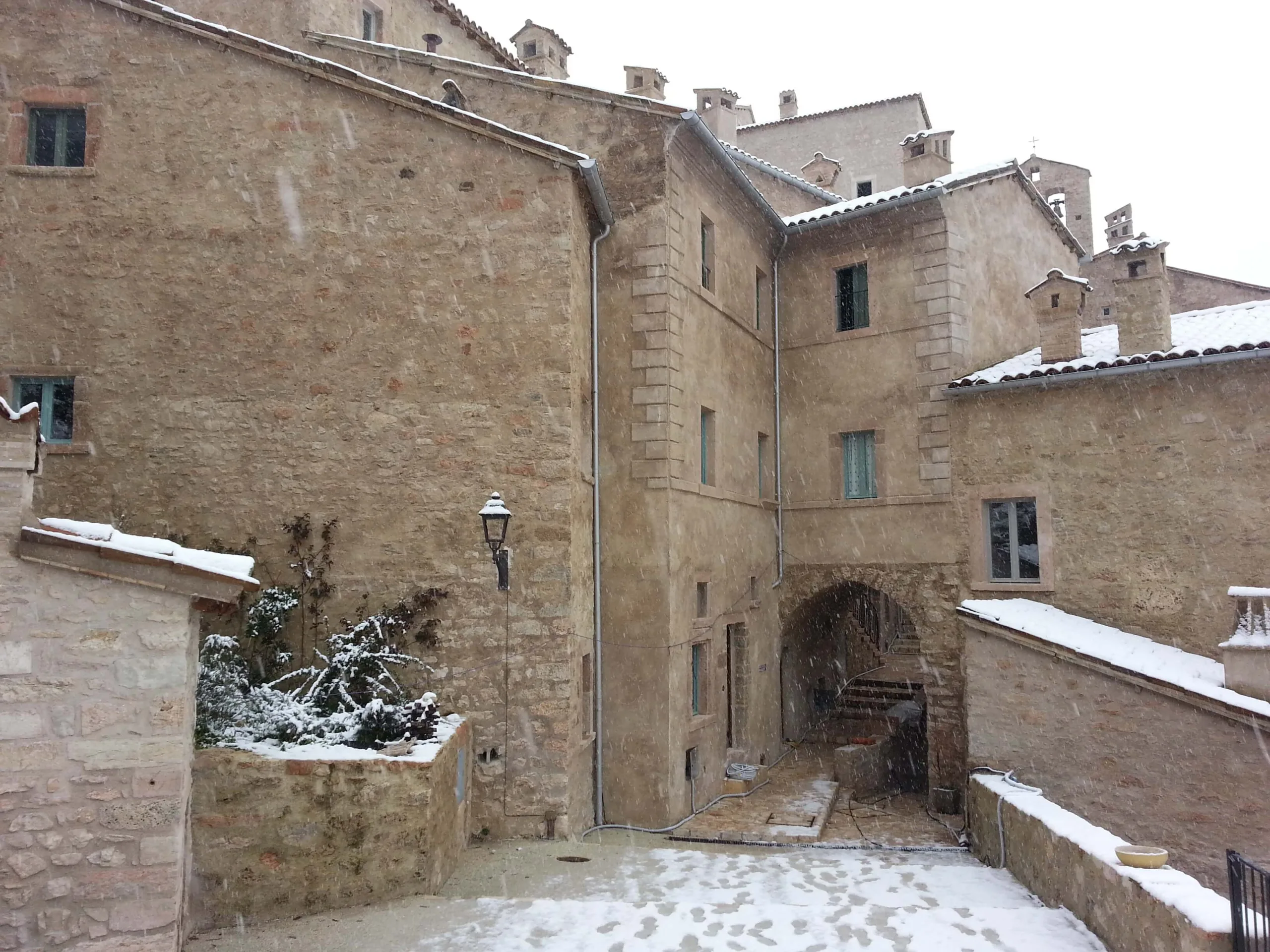
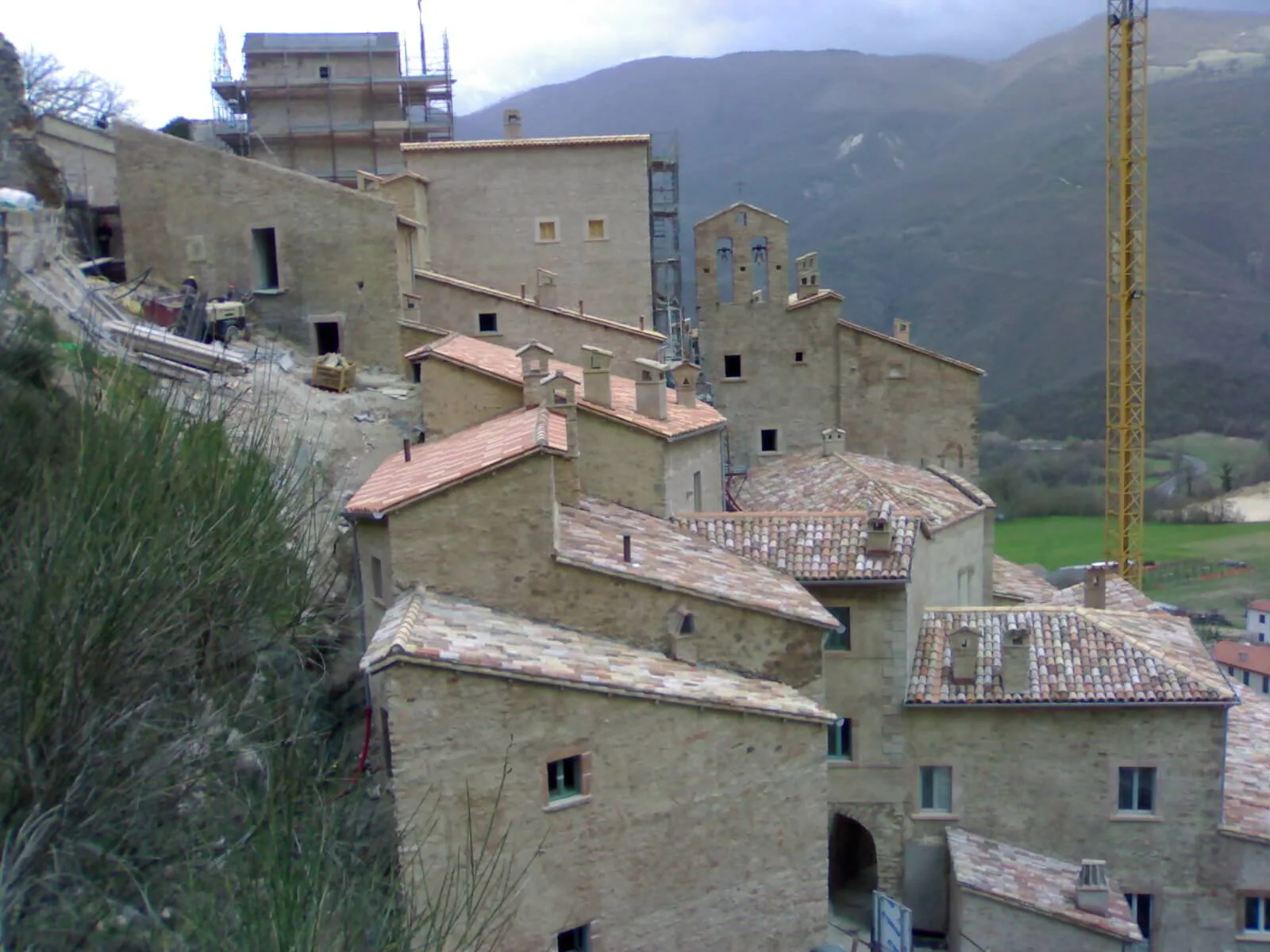
Postignano, a hillside castle dating back to the 13th century—though with likely origins in the 9th century—has a triangular layout with its upper vertex marked by a hexagonal tower. It overlooks the Vigi Valley and the road leading to Spoleto.
Originally owned by the Trinci family of Foligno, the castle was long contested between Foligno and Spoleto, to which it provided men and resources in 1429 during the war against the Ghibellines.
Located along the Argentina stream, a tributary of the Nera River, on the route connecting Spoleto with Foligno, Norcia, and Assisi, and surrounded by woodland and extensive arable land, the castle occupied a strategic position. Its economy was once prosperous, also supported by ironworking and hemp craftsmanship.
In 1611 the village was home to 235 inhabitants, a number that declined to 139 by 1713.
From the early 1900s, the Castle of Postignano was gradually abandoned due to the emigration of its inhabitants, particularly to the United States, and its condition deteriorated as a result of the lack of maintenance. In 1963 a series of collapses led to its definitive abandonment. Its distinctive architectural structure captivated architect Norman Carver, who featured it on the cover of his 1972 book Italian Hilltowns.
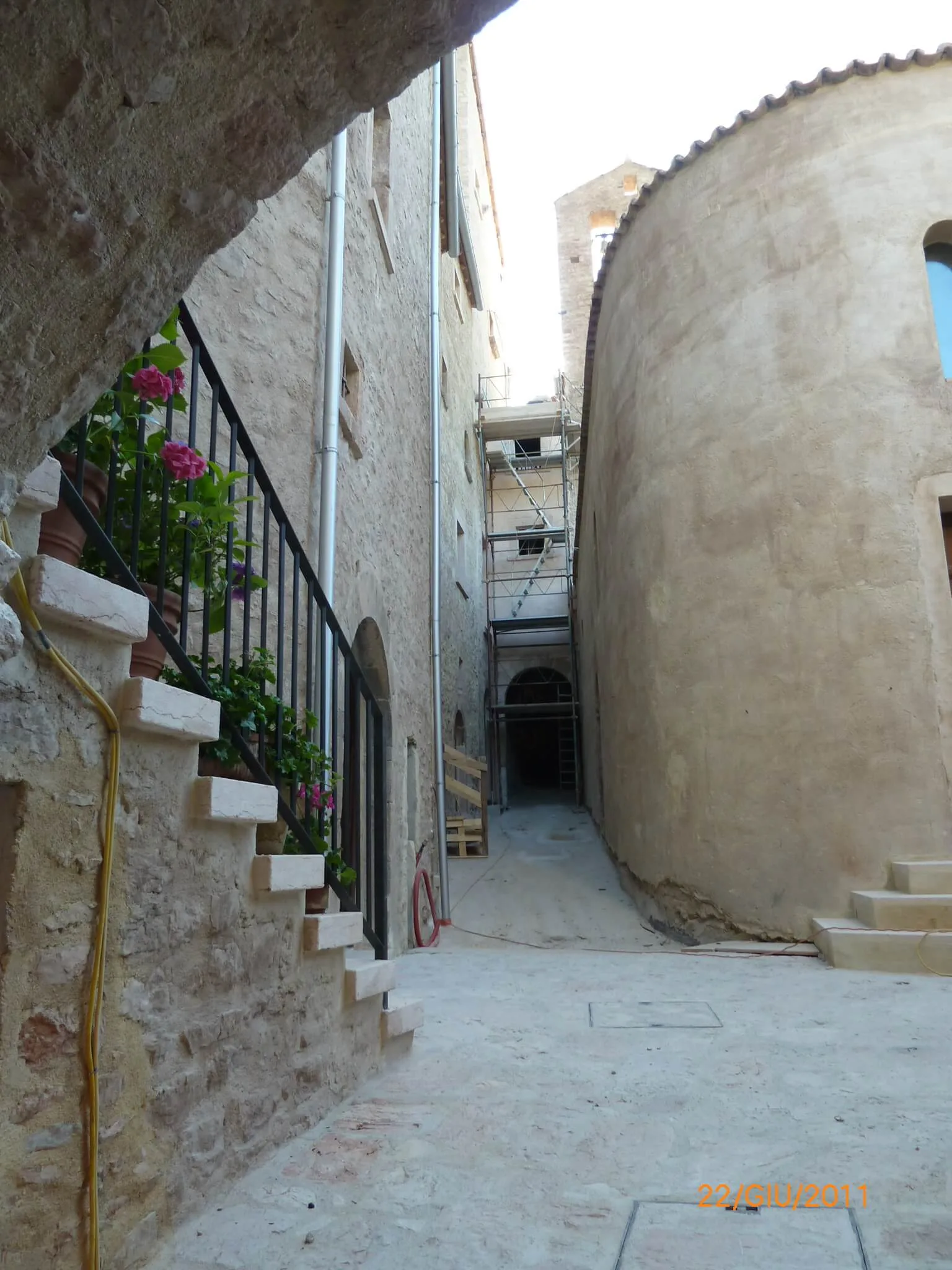
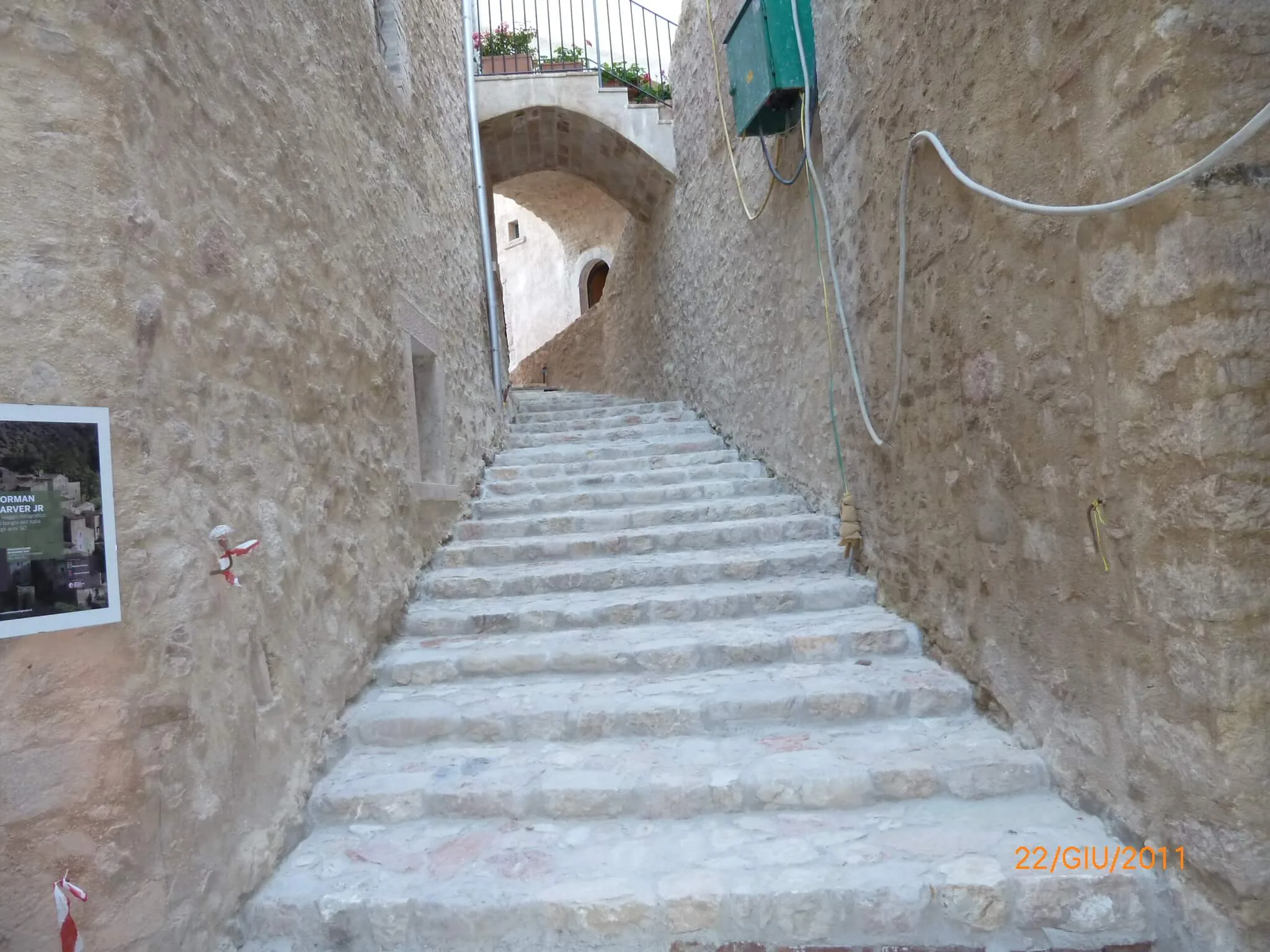
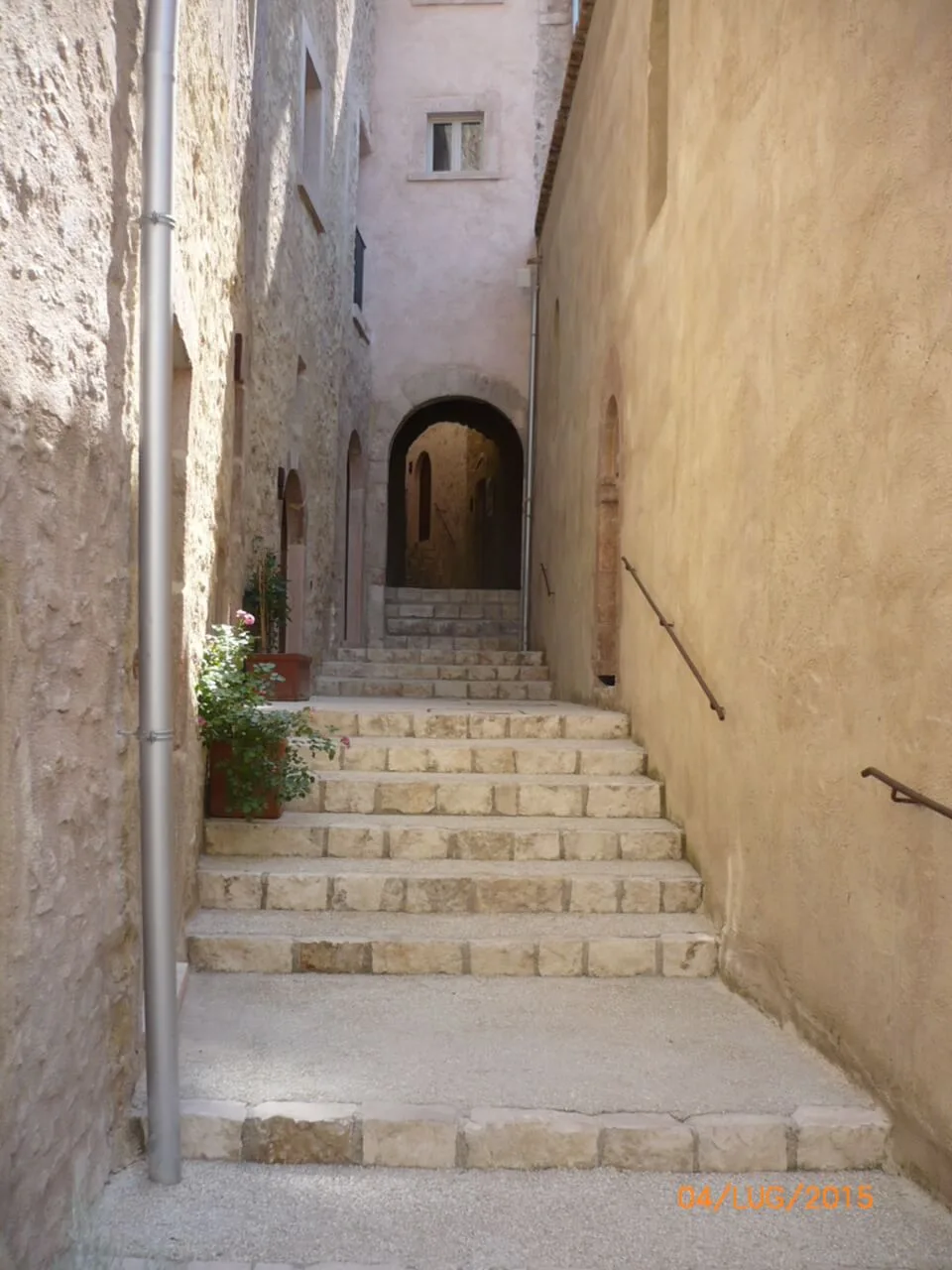
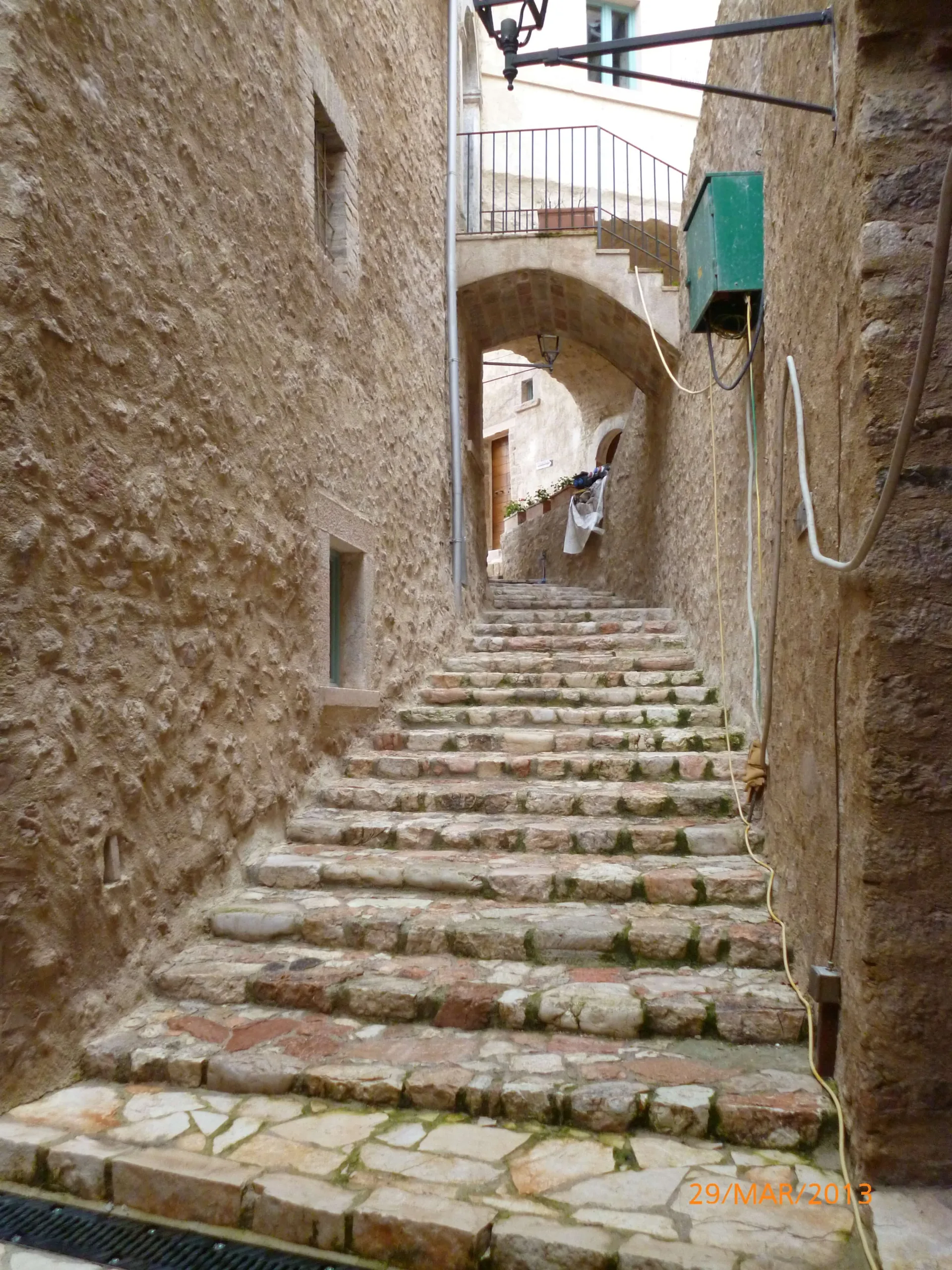
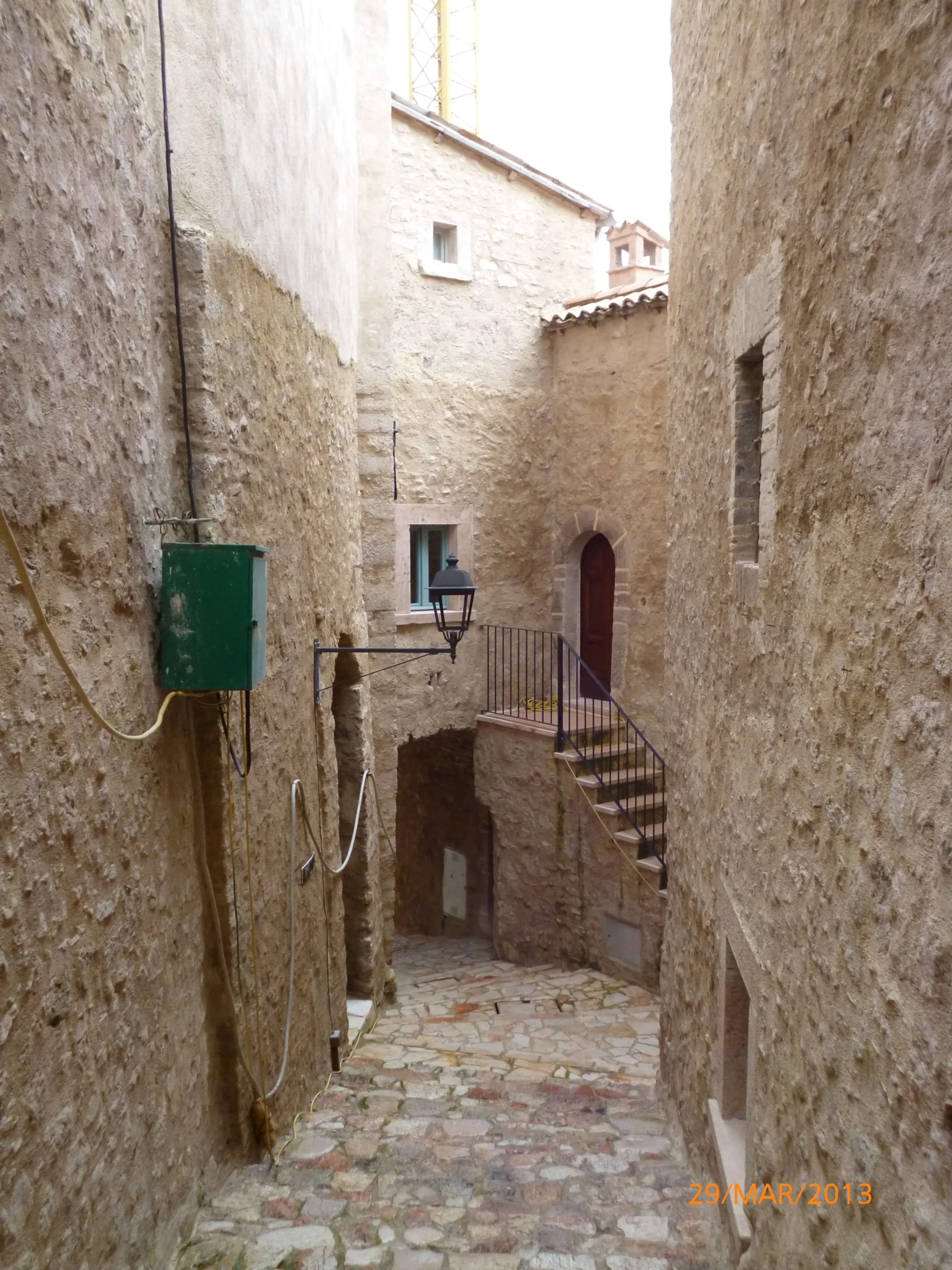
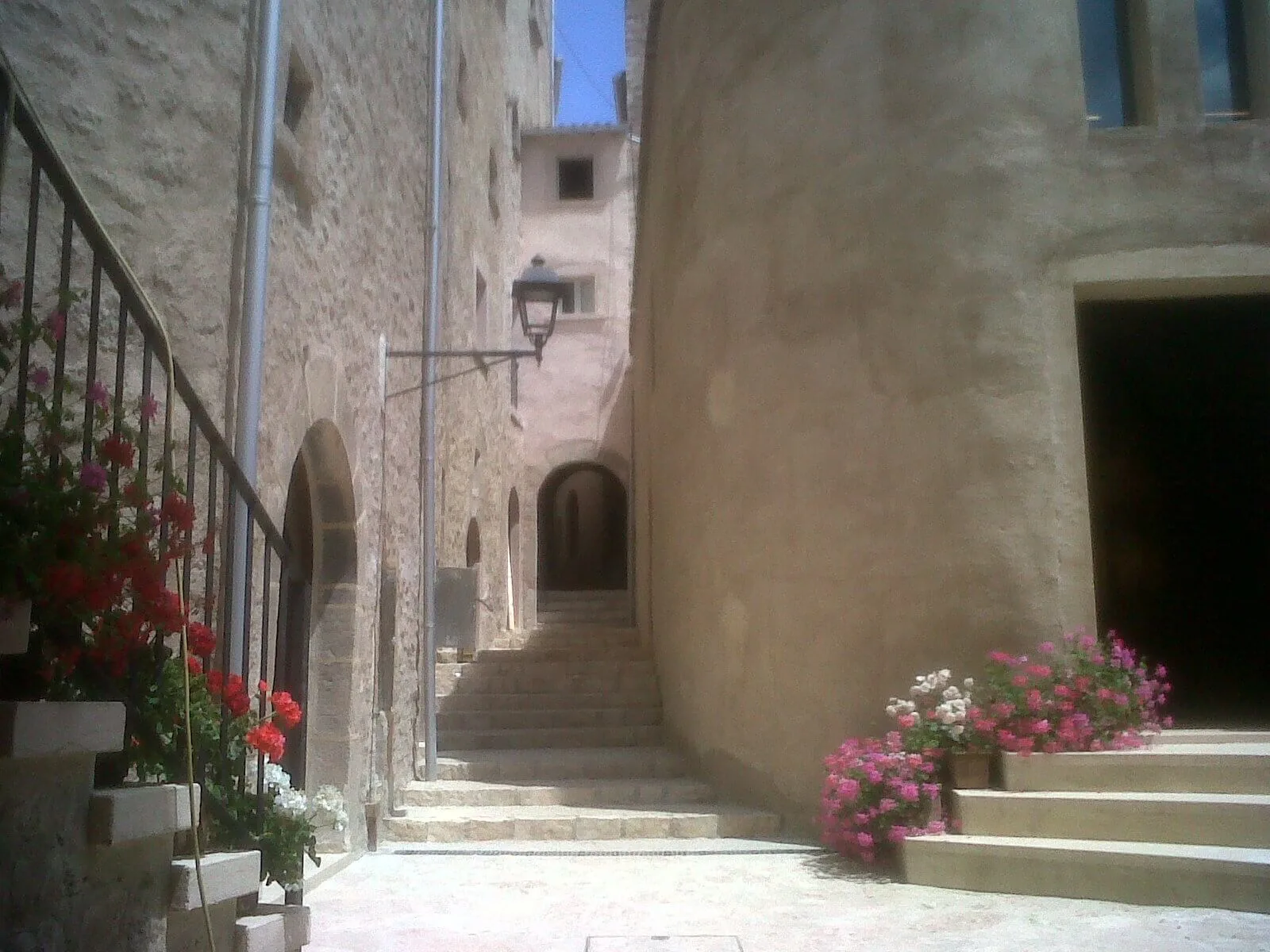
Damaged by the 1997 earthquake, the village was restored to its original beauty through comprehensive restoration, rehabilitation, and seismic upgrading works affecting the entire settlement, including buildings and infrastructure. In 2002, the Castle of Postignano and its surroundings were listed by the Ministry of Cultural Heritage as sites of historical and artistic interest.
Client:
Mirto srl
Region:
Umbria
Location:
Comune di Sellano (PG)